
Chirurgie
Il existe trois principaux types de chirurgie pour le cancer du poumon :
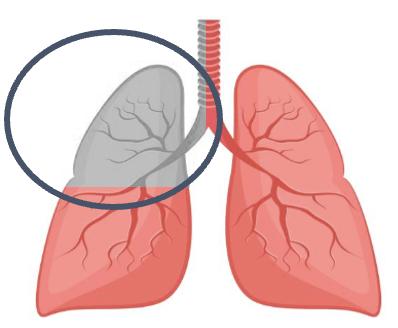
Lobectomie
L'une des grandes sections (lobes) du poumon touchée par le cancer est retirée. Il s'agit de la chirurgie du cancer du poumon la plus fréquemment pratiquée.
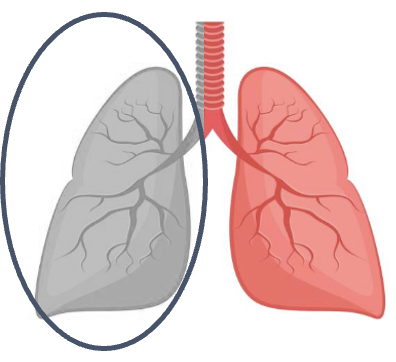
Pneumonectomie
Ablation complète d'un poumon entier. Généralement choisie lorsque le cancer est situé au centre ou s'est largement propagé dans le poumon.
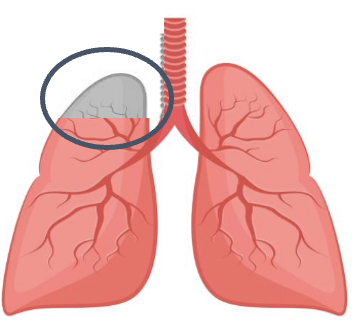
Segmentectomie
Ablation d'une petite portion du poumon. Convient au cancer du poumon non à petites cellules à un stade précoce, lorsque la tumeur est petite et limitée à une seule zone.
Le type de chirurgie dépendra de votre diagnostic spécifique. Quelle que soit l'approche choisie, l'ablation d'un lobe s'accompagne du prélèvement des ganglions lymphatiques voisins, en raison du risque de propagation de la maladie ou du cancer.
L'intervention chirurgicale consiste à réaliser :
- Quelques petites incisions — réalisées de manière peu invasive, également appelée chirurgie thoracoscopique vidéo-assistée (VATS). Une minuscule caméra vidéo et des instruments chirurgicaux sont introduits par ces incisions, et le chirurgien réalise l'opération depuis l'extérieur du thorax. Cette approche est associée à une récupération plus rapide et à moins d'effets secondaires.
- Ou une incision plus longue sur le côté du thorax — une chirurgie ouverte, également appelée thoracotomie.
- Avant de subir une lobectomie, votre chirurgien peut effectuer des analyses sanguines, vérifier votre respiration au moyen de tests de la fonction pulmonaire, évaluer la fonction cardio-pulmonaire à l'aide d'un test à vélo (ergospirométrie) et réaliser une bronchoscopie.
- La durée de l'intervention est d'environ 3 heures, variable selon la procédure spécifique.
- Après l'intervention, vous devez vous attendre à un séjour hospitalier de 4 à 10 jours.
- Après l'opération, plusieurs tubes seront en place et seront retirés au fur et à mesure de votre rétablissement. Une perfusion dans une veine du bras vous apportera des liquides et des médicaments. Des drains thoraciques peuvent être placés pour évacuer les liquides et aider vos poumons à se dilater.
- Si vous fumez, il est fortement recommandé d'arrêter le plus rapidement possible afin de réduire le risque de complications pendant et après l'intervention.
- Après une chirurgie pulmonaire, il est essentiel de reprendre une activité physique le plus tôt possible. Le mouvement réduit le risque de complications, telles que la pneumonie, et accélère votre récupération.
- Les inquiétudes concernant la respiration après une chirurgie pulmonaire sont fréquentes. Toutefois, il est généralement possible de respirer normalement avec un seul poumon. Il est important de noter que si des difficultés respiratoires existaient avant l'opération, elles peuvent persister après celle-ci.
Plus d'informations sont disponibles sur : cancer.gov/types/lung