
Activité physique
Avant, pendant et après votre traitement, efforcez-vous d'être aussi physiquement actif que possible. La quantité et le type d'activité que vous pratiquez sont des éléments que vous pouvez décider et contrôler vous-même. Rester physiquement actif est une chose que vous pouvez faire par vous-même pour favoriser votre rétablissement. L'activité physique a également un effet positif sur votre bien-être ; elle vous procurera une satisfaction personnelle, améliorera votre image de vous-même et vos interactions sociales.
Pendant votre traitement, restez aussi physiquement actif que vos capacités et votre état le permettent. Par ailleurs, il n'est pas nécessaire de pratiquer un sport ou une activité physique intense. Jouer avec vos enfants, faire les tâches ménagères, jardiner, se déplacer à pied ou à vélo sont également des formes d'activité physique. Ne soyez pas trop dur avec vous-même si vous vous sentez trop fatigué ou si vous ressentez des douleurs qui rendent l'activité difficile.
Au fur et à mesure de votre rétablissement, votre énergie reviendra également, et vous pourrez prolonger la durée ou les activités de votre routine d'exercice quotidienne. Plus tôt vous commencez à faire de l'exercice, mieux vous vous sentirez, moins vous aurez probablement besoin de médicaments, et plus faible sera votre risque de complications. Toutefois, soyez attentif aux signaux de votre corps ; ne faites pas d'exercice si vous ne vous sentez pas bien ou si vous avez de la fièvre.
Vous devez toutefois toujours informer votre médecin et/ou onco-coach des activités physiques que vous entreprenez et toujours demander leur avis en cas de doute. Pendant un traitement par chimiothérapie et pendant un certain temps après, votre système immunitaire sera plus faible que d'habitude. Cela vous rendra plus vulnérable aux infections. C'est pourquoi il est préférable d'éviter de faire de l'exercice dans des environnements fermés fréquentés par de nombreuses personnes, comme les salles de sport, jusqu'à ce que vous vous sentiez entièrement rétabli. Si vous suivez une radiothérapie, évitez les piscines ; elles peuvent vous exposer à des bactéries susceptibles de provoquer des infections et au chlore, qui peut irriter votre peau irradiée.
- Si vous n'avez pas l'énergie nécessaire pour faire une demi-heure d'exercice d'affilée, fractionnez-la ; essayez par exemple trois marches de 10 minutes réparties dans la journée.
- Rendez l'exercice agréable : trouvez un partenaire de marche ou écoutez de la musique ou un podcast pendant vos activités.
- Portez des vêtements confortables et buvez beaucoup d'eau.
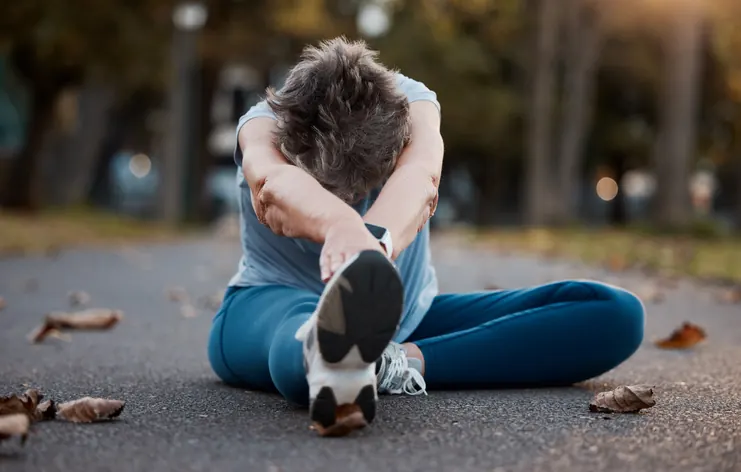
- Échauffez-vous et terminez par des étirements doux.
- Pratiquez un exercice à faible impact comme la marche ou la natation.
- Informez votre médecin ou votre onco-coach des activités physiques que vous entreprenez ou souhaitez entreprendre. Si vous vous sentez fatigué ou faible, demandez conseil pour retrouver des forces.
- Contactez une association de patients atteints de cancer, qui peut vous fournir des informations, des conseils et un soutien tout au long de votre parcours.
- Puis-je continuer à faire de l'exercice ?
- Me recommandez-vous de commencer/reprendre mes activités physiques, et à quel moment ?
- Y a-t-il un type de sport ou d'activité physique que je devrais éviter ?
- Existe-t-il un groupe de soutien pour l'activité physique dans cet hôpital ou près de mon domicile ?
- Mon assurance/l'hôpital prend-il en charge des séances avec un kinésithérapeute ?