Avertissement : Les informations suivantes sont fournies à des fins éducatives uniquement et ne constituent pas un avis médical. Consultez toujours un professionnel de la santé pour tout avis médical ou traitement.
Observance médicamenteuse
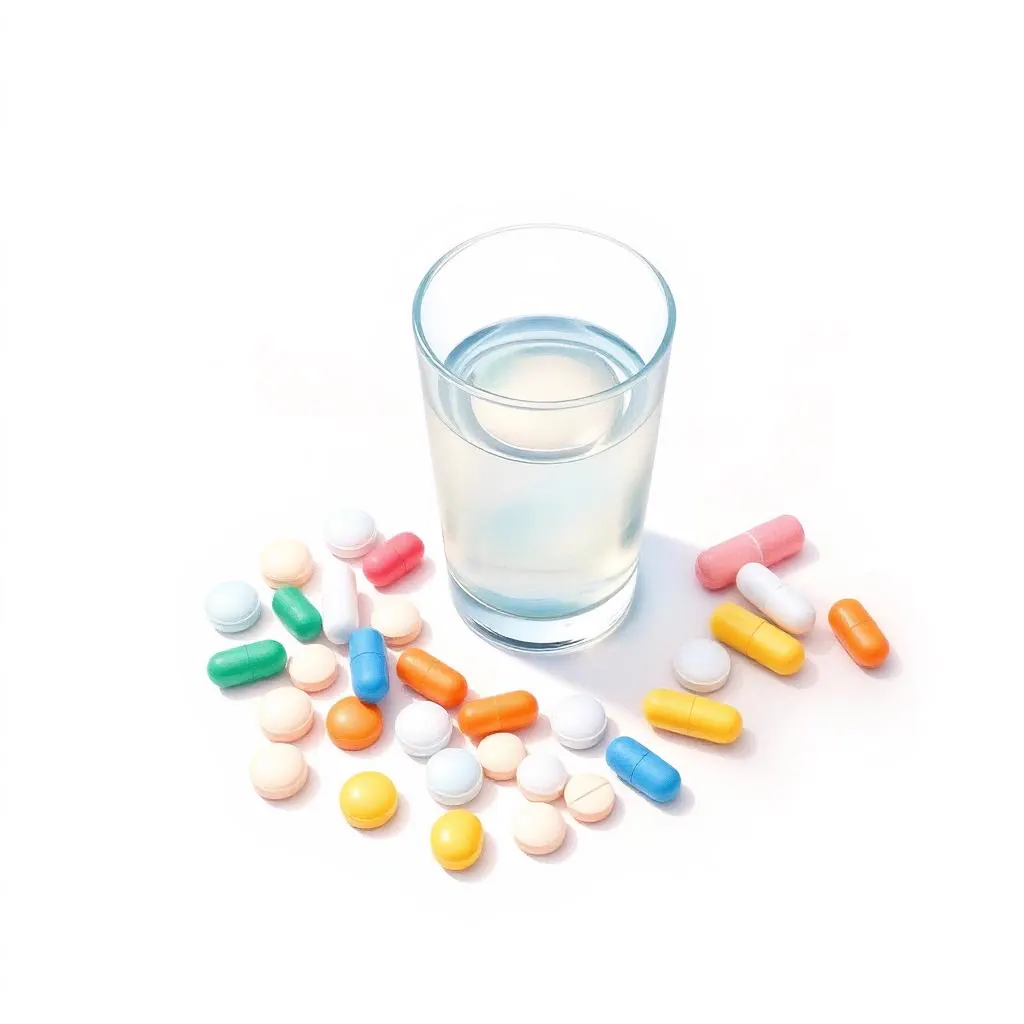
Lorsqu'une prescription médicale est délivrée, il est important de prendre le médicament exactement comme prescrit, en particulier dans le cadre de la prise en charge de maladies chroniques. Les médicaments doivent souvent être pris de manière continue à des intervalles précis (par exemple : tous les jours, avec/avant/après le petit-déjeuner). Le degré auquel vous suivez votre traitement tel que prescrit s'appelle l'observance médicamenteuse. Le non-respect du traitement prescrit peut entraîner des effets indésirables, augmenter le risque de complications, accroître le nombre d'hospitalisations, augmenter le risque de mortalité et avoir un impact significatif sur l'augmentation des coûts de santé. De manière générale, cela peut avoir un effet négatif sur votre santé globale ; il est donc essentiel de respecter votre traitement prescrit.
Interactions médicamenteuses
Comprendre les interactions médicamenteuses est essentiel pour garantir l'efficacité et la sécurité de votre traitement. Cela va au-delà de l'interaction entre deux médicaments ; cela concerne également les interactions entre médicaments, alimentation et compléments.
Il est surprenant de constater que certains aliments peuvent influencer le fonctionnement des médicaments dans notre organisme. Par exemple, le jus de pamplemousse peut modifier l'efficacité de certains médicaments, en augmentant ou en diminuant leur effet. Le brocoli, bien que rarement suspecté, peut interagir avec certains anticoagulants, nécessitant un ajustement des doses. Même des aliments apparemment anodins comme le lait peuvent poser problème lorsqu'ils sont associés à certains antibiotiques, en réduisant leur efficacité.
Il n'est pas nécessaire d'éviter complètement le jus de pamplemousse, le brocoli ou le lait, mais il est essentiel d'être conscient des interactions potentielles. Réfléchissez au moment où vous prenez vos médicaments par rapport à vos repas. Par exemple, si vous appréciez un verre de jus de pamplemousse, il peut être plus sûr de le boire après avoir pris votre médicament du matin. Suivez toujours les conseils de votre professionnel de la santé concernant les interactions potentielles et les ajustements à apporter à votre traitement.
Votre médecin traitant ou votre pharmacien joue un rôle essentiel dans la gestion des interactions médicamenteuses. Ils sont formés pour évaluer et anticiper les interactions potentielles en fonction de vos médicaments et de votre état de santé. Des rendez-vous réguliers avec votre professionnel de la santé permettent de bénéficier de conseils adaptés et, si nécessaire, de consulter des spécialistes pour optimiser votre plan de traitement.
Conclusion Naviguer dans le paysage complexe des interactions médicamenteuses exige de la vigilance, de la prudence et une collaboration étroite avec les professionnels de la santé. En comprenant les impacts potentiels de la combinaison de médicaments, d'aliments et de compléments, vous vous donnez les moyens de faire des choix éclairés pour votre santé. Communiquez toujours ouvertement avec votre équipe soignante et n'hésitez pas à solliciter ses conseils pour la gestion de vos médicaments.