
Immunothérapie
Avertissement : Les informations qui suivent sont fournies à titre purement informatif et ne constituent pas un avis médical. Consultez toujours un professionnel de la santé pour obtenir un avis médical et un traitement adaptés.
L'immunothérapie est un traitement visant à stimuler ou renforcer le système immunitaire naturel de l'organisme pour lutter contre le cancer. Elle apprend au système immunitaire à mieux reconnaître, attaquer et, in fine, éliminer les cellules malignes. Tous les patients atteints d'un cancer du poumon ne peuvent pas bénéficier de l'immunothérapie, et celle-ci ne fonctionne pas dans tous les cas. Il arrive que les cellules cancéreuses déjouent le système immunitaire et ne soient pas éliminées.
L'immunothérapie est généralement administrée par perfusion intraveineuse (IV). Avant chaque séance d'immunothérapie, une prise de sang est réalisée afin de vérifier que vos valeurs sanguines permettent de débuter le traitement.
Il existe différents types d'immunothérapie utilisés dans le traitement du cancer. Le choix du traitement est décidé en collaboration avec les spécialistes en oncologie, en fonction de votre profil individuel. L'immunothérapie est souvent administrée seule, mais elle peut parfois être associée à la chimiothérapie. La plupart des types présentés ci-dessous sont utilisés dans le cadre d'un essai clinique ; cependant, les inhibiteurs de points de contrôle immunitaire et les anticorps monoclonaux sont utilisés en pratique clinique courante.
Ces médicaments relâchent en quelque sorte les « freins » du système immunitaire, lui permettant de mieux reconnaître et attaquer le cancer.
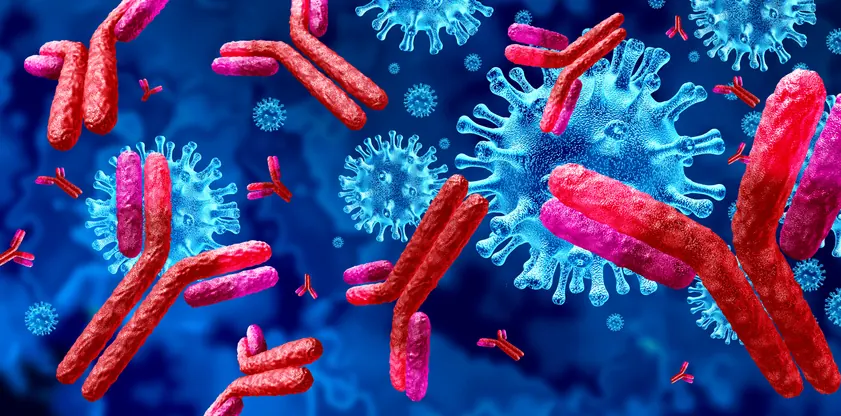
Il s'agit de versions synthétiques de protéines du système immunitaire. Les anticorps monoclonaux peuvent être très efficaces dans le traitement du cancer car ils peuvent être conçus pour cibler une partie très précise d'une cellule cancéreuse.
Cette thérapie consiste à prélever certaines cellules T dans le sang du patient, à les combiner avec un virus spécial qui leur apprend à se fixer sur les cellules tumorales, puis à les réintroduire chez le patient afin qu'elles localisent, se fixent sur et détruisent les cellules cancéreuses.
Ce traitement utilise des cytokines (de petites protéines transmettant des messages entre les cellules) afin de stimuler les cellules immunitaires pour qu'elles attaquent le cancer.
Ce groupe de médicaments stimule généralement certaines parties du système immunitaire afin de traiter certains types de cancer.
Les vaccins sont des substances introduites dans l'organisme afin de déclencher une réponse immunitaire contre des maladies spécifiques. Bien que nous associions généralement les vaccins à la prévention des infections chez les personnes en bonne santé, certains vaccins peuvent aider à prévenir ou à traiter le cancer.
Ce traitement utilise des virus modifiés en laboratoire pour infecter et détruire certaines cellules tumorales.
L'immunothérapie est généralement bien tolérée, mais cela varie selon les personnes. Chacun réagit différemment à un traitement donné, et tous les traitements par immunothérapie n'entraînent pas les mêmes effets secondaires.
Étant donné que l'immunothérapie stimule le système immunitaire propre de l'organisme, il existe un risque de surstimulation, pouvant conduire à une attaque de l'un des organes du corps, appelée réaction auto-immune. Cette réaction peut se manifester par des symptômes tels que des démangeaisons, des douleurs abdominales et de la diarrhée. Une réaction rapide est essentielle pour traiter correctement cette réaction immunitaire et éviter qu'elle n'entraîne des complications graves.
Étant donné que l'immunothérapie stimule le système immunitaire propre de l'organisme, il existe un risque de surstimulation, pouvant conduire à une attaque de l'un des organes du corps, appelée réaction auto-immune. Cette réaction peut se manifester par des symptômes tels que des démangeaisons, des douleurs abdominales et de la diarrhée. Une réaction rapide est essentielle pour traiter correctement cette réaction immunitaire et éviter qu'elle n'entraîne des complications graves.
Vous trouverez de plus amples informations sur : cancer.gov/types/lung