
Examens complémentaires
Avertissement : Les informations suivantes sont fournies à titre éducatif uniquement et ne constituent pas un avis médical. Consultez toujours un professionnel de la santé pour un avis médical et un traitement.
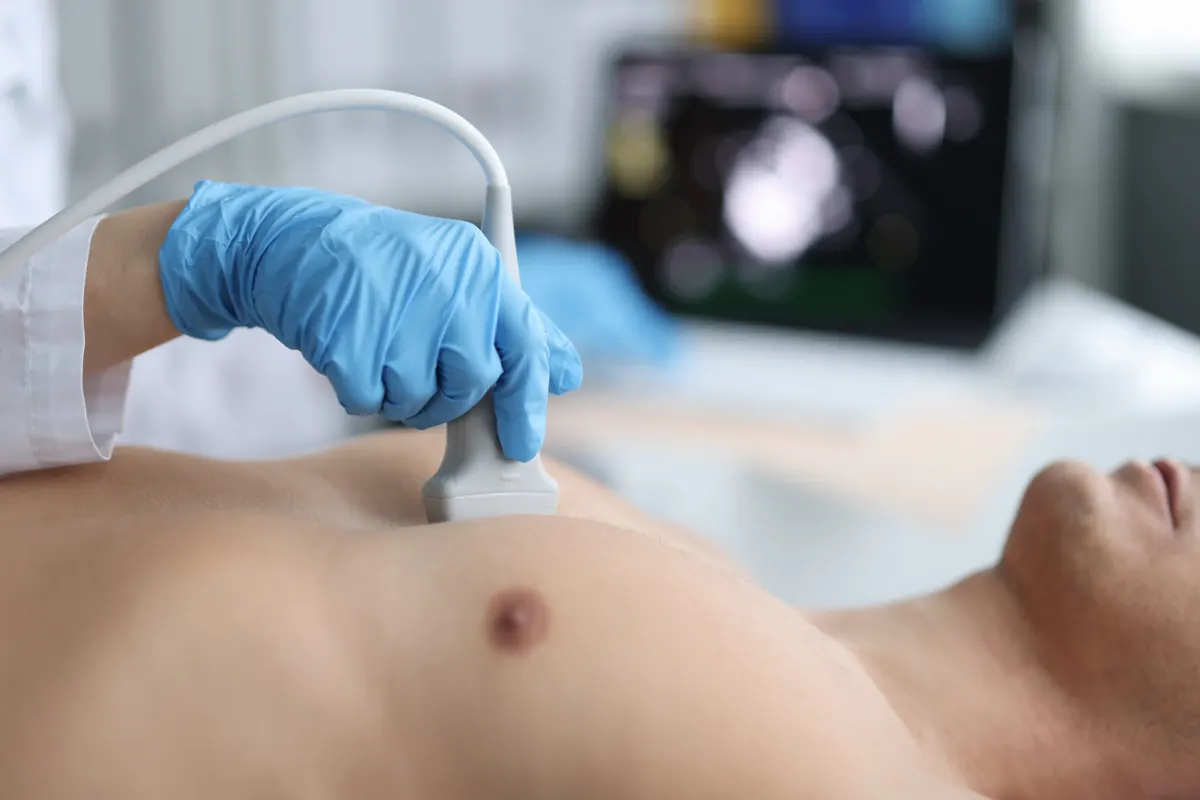
En fonction des résultats des examens d'imagerie et/ou tissulaires déjà réalisés, des examens complémentaires supplémentaires peuvent être envisagés.
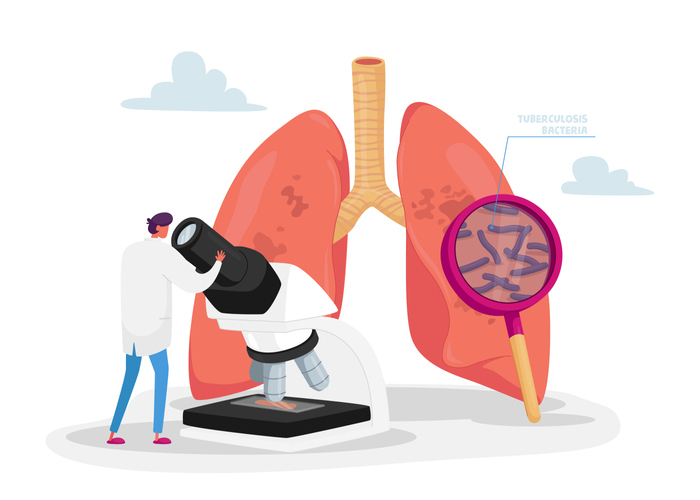
Les expectorations sont du mucus mêlé de salive, expulsé par la toux depuis les voies respiratoires profondes lors d'une infection respiratoire. Ce mucus est examiné au microscope à la recherche de cellules cancéreuses pulmonaires.
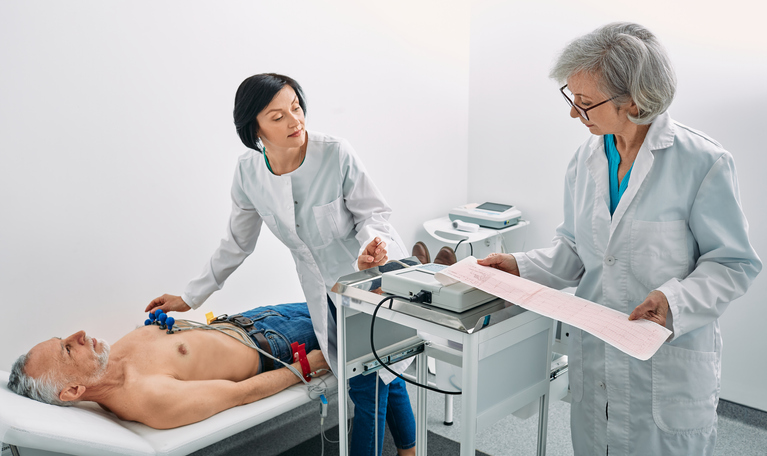
Un ECG, ou électrocardiogramme, permet de surveiller le fonctionnement du cœur (rythme, fréquence et anomalies éventuelles).
Une scintigraphie pulmonaire de perfusion-ventilation permet de visualiser la circulation sanguine (perfusion) et la répartition de l'air (ventilation) dans les poumons. Pour cet examen, un traceur — une substance légèrement radioactive — est injecté dans une veine du bras, et une petite quantité d'air contenant un gaz légèrement radioactif, inoffensif et inodore, est inhalée. Les images obtenues montrent alors comment le sang circule dans les poumons et comment l'air se répartit. L'objectif de cet examen est de déterminer dans quelle mesure la ou les tumeurs ont affecté le tissu pulmonaire et de fournir des informations sur la possibilité de réaliser une pneumectomie (ablation) du poumon.
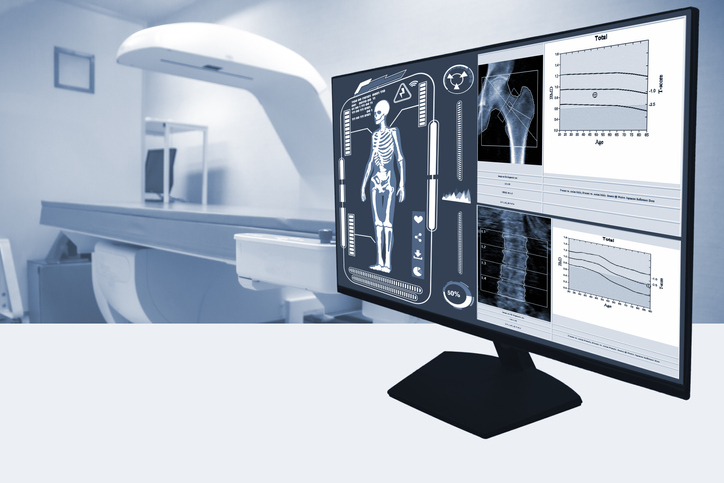
Une scintigraphie osseuse permet d'obtenir des images du squelette afin d'étudier le métabolisme osseux et de détecter d'éventuelles métastases du cancer du poumon. La scintigraphie osseuse fonctionne selon le même principe qu'un PET scan. Avant l'examen, un traceur est injecté — en l'occurrence, une petite quantité d'une substance légèrement radioactive appelée EDP ou MDP (diphosphonate) qui se fixe à la microarchitecture des os, en particulier dans les zones à métabolisme accru, telles que les métastases. Ces zones deviennent alors visibles sur l'image.
Lors d'une ponction pulmonaire ou ponction transthoracique, une fine aiguille creuse est insérée depuis l'extérieur à travers la paroi thoracique jusque dans les poumons afin de prélever un petit morceau de tissu pulmonaire à des fins d'examen. Cette technique est utilisée lorsque la tumeur ou les métastases ne sont pas facilement accessibles par bronchoscopie.
Les poumons sont entourés de deux membranes appelées plèvre viscérale et plèvre pariétale. Il y a toujours une petite quantité de liquide, le liquide pleural, dans l'espace entre ces membranes. Lorsque le cancer du poumon s'est étendu à la plèvre, davantage de liquide est produit et moins est évacué, ce qui entraîne une accumulation de liquide pleural (épanchement pleural) ou d'autres cellules anormales telles que des globules blancs, des globules rouges, etc.
Une médiastinoscopie permet d'examiner le médiastin, l'espace situé entre les poumons au milieu de la poitrine, afin de vérifier la présence de métastases dans les ganglions lymphatiques autour des poumons. Un médiastinoscope est inséré par une petite incision dans la paroi thoracique, juste au-dessus du sternum. Le médiastinoscope est un type spécialisé d'endoscope. Pendant l'examen, des échantillons de liquide ou de tissu peuvent être prélevés au niveau du ou des ganglions lymphatiques à l'aide du médiastinoscope, en vue d'une analyse. Une médiastinoscopie est généralement réalisée lorsque les résultats de l'échographie endoscopique (EUS et EBUS) n'étaient pas suffisamment clairs ou lorsque les ganglions lymphatiques du médiastin n'ont pas pu être atteints autrement.
Lors d'une thoracoscopie ou pleuroscopie, la cavité pleurale, le petit espace entre la paroi thoracique et le poumon, est examinée à l'aide d'un thoracoscope, un type spécialisé d'endoscope. Le thoracoscope est inséré par une petite incision dans la paroi thoracique, entre les côtes, ce qui permet d'examiner la cavité pleurale. La thoracoscopie est souvent réalisée afin de prélever un morceau de tissu pulmonaire ou pleural en vue d'une analyse approfondie.