
Nutrition
Maintaining a healthy weight is crucial to avoid health issues. A well-nourished body is better equipped to fight infections. When you have lung cancer you are especially prone to worsening quickly and hospitalization when infected, highlighting the importance of proper nutrition for prevention. If illness does occur, a well-nourished body responds better to treatment.
Get in the habit of weighing yourself regularly on the scale. You should see your doctor or dietitian if you continue to lose weight or if you gain weight while following the recommended diet.
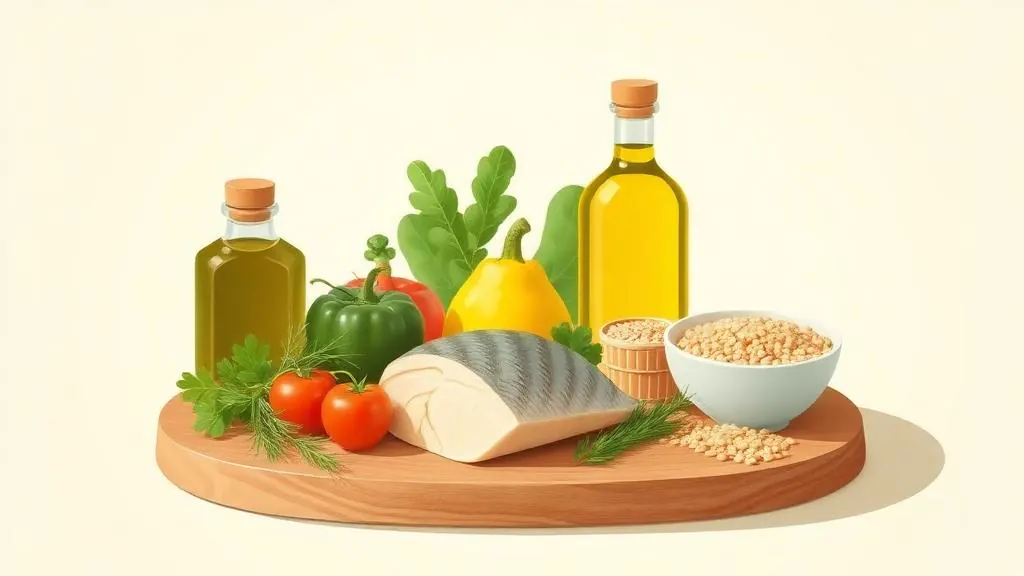
Recent research suggests that diet and nutrition may play a role in the risk of developing lung cancer. A Western-style diet, featuring high consumption of red or processed meats, refined grains, saturated fat, and sweets, is linked to an increased risk of lung cancer. Conversely, a Mediterranean-like diet, with a focus on fruits, vegetables, oily fish, and whole grains, is associated with maintaining lung function.
There are just a few basic principles that could help towards steering a typical Western dietary pattern to healthier eating habits that resemble the Mediterranean diet and will greatly contribute to increasing micronutrient intake. However, it's important to check your individual meal plan with your treating physician.
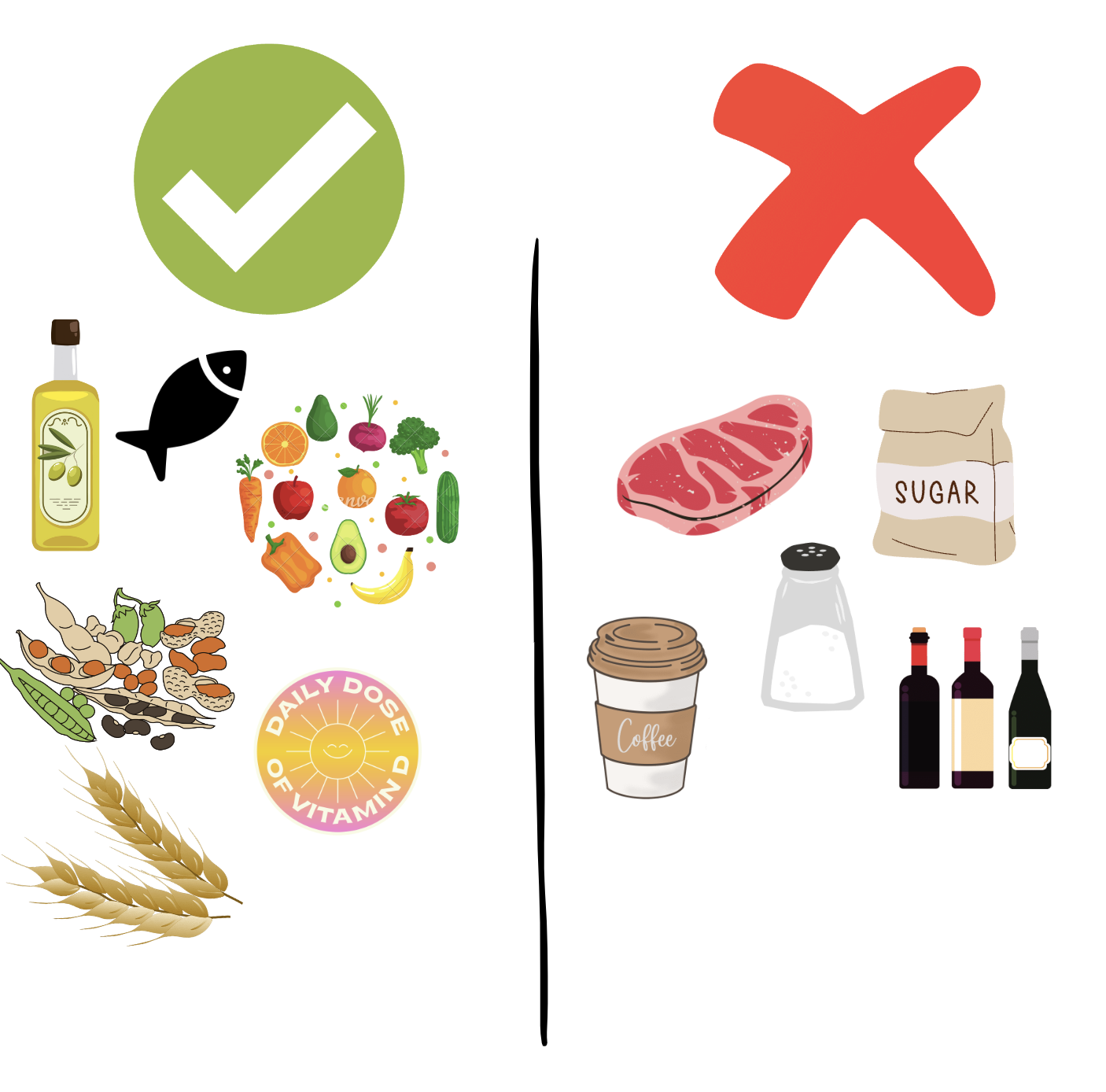
- Favor fatty fish: regularly include fatty fish such as sardines, salmon, sea bream, bass, and trout in your meals. They are rich in omega-3 fatty acids known for their anti-inflammatory properties.
- Daily olive oil: incorporate extra virgin olive oil into your daily diet. Its consumption has been associated with various health benefits, including anti-inflammatory effects.
- Various fruits and vegetables: consume a variety of fruits and vegetables, aiming for at least 5 servings per day. Whenever possible, choose seasonal and local products.
- Whole grains and legumes: integrate whole grains and legumes into your meals for a good source of fiber and essential nutrients.
- Vitamin D supplementation: consider vitamin D supplementation to promote bone health, take advantage of its anti-inflammatory properties, and potentially support disease activity.
- Red meat: limit red meat consumption to 1 or 2 times a month.
- Sugar and salt: avoid or moderate the consumption of sugary drinks and be mindful of your salt intake. This is particularly important for individuals under glucocorticoid treatment.
- Alcohol and coffee: consume alcohol and coffee in moderation, as excessive consumption can exacerbate inflammation.
Don't forget that a balanced diet is the most important. Even though the previously mentioned foods may be seen as negative, it doesn't mean you can never eat them again. The key is to consume everything in moderation. Always consult your healthcare provider for any changes in your diet.